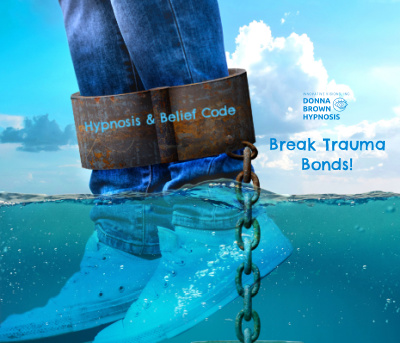
A trauma bond is an intense, unhealthy emotional attachment that develops in an abusive relationship, characterized by cycles of abuse followed by affection, creating a powerful, addictive dependency on the abuser. It is a habit that hypnosis can help you stop.
Trauma bonds and emotional addictions are not signs of weakness. They are deeply conditioned survival patterns created by stress, childhood programming, emotional wounds, and repeated nervous system responses. The good news is the brain and body can learn new patterns.
Hypnosis, Emotion Code, Body Code, and Belief Code work together to help identify subconscious blocks, release trapped emotions, calm emotional triggers, and create healthier emotional responses. As you begin healing the nervous system and subconscious mind, you may find yourself feeling more peaceful, more emotionally regulated, and more capable of choosing healthy relationships and behaviors.
Healing is not about becoming perfect. It is about becoming aware enough to stop repeating painful patterns and finally creating emotional safety, self-worth, and stability from within.
The Cycle: The relationship typically follows a pattern of abuse, followed by love-bombing, remorse, or “kindness,” leading to intense confusion and attachment. How confused were you as a child with a parent’s behavior? Were you told you were wrong or bad? Did you get spanked? How are you repeating that pattern as an adult? Emotion / Belief Code are methods where we find trapped emotions, negative programs and limiting beliefs.
Why Trauma Bonds Form: It is a biological response to stress where the brain associates the abuser with survival, often rooted in childhood patterns of seeking comfort from a harmful caregiver.
Signs: Inability to leave despite knowing the relationship is harmful, feeling guilty or ashamed, defending the abuser, and emotional dependency.
Intimate Partner Violence: A victim constantly returns to a violent partner, believing the partner’s promises to change.
Toxic Workplace: An employee stays at a job with a verbally abusive boss because they occasionally receive high praise and validation.
Child Grooming: A child becomes deeply attached to a perpetrator who uses affection to manipulate them. Ex: A coach, family friend, teacher, or older relative may shower a child with gifts, praise, attention, or special treatment while slowly isolating them emotionally from others. The child becomes confused because the person causing harm is also the person giving affection, validation, or comfort.
Trauma Bonding
Trauma bonding is a powerful, unhealthy emotional attachment that develops in abusive or toxic relationships, characterized by a cycle of intense abuse followed by positive reinforcement. “I love you, I’m sorry, You made me do it, This is your fault, Why do you make me do this to you?” Any of that sound familiar?
Trauma bonding makes leaving difficult because the brain becomes hooked on the intermittent highs and lows, causing victims to defend or make excuses for their abuse. Ever hear yourself say, “he/she had a bad childhood, they don’t know better,” or “when things are good, they are really good,” “they didn’t mean it,” or “maybe if I try harder things will change.”
Key Aspects of Trauma Bonding:
Stages of Trauma Bonding:
- Love Bombing: Initial, intense charm.
- Trust/Dependency: Establishing dependency.
- Criticism: Devaluation and manipulation.
- Rescuer Phase: Abuser promises to change.
- Walking on Eggshells: Constant fear.
- Addiction/Loss of Self: The cycle repeats.
Recovery involves recognizing the bond, breaking contact, and rebuilding self-esteem. Hypnosis does this by helping calm the nervous system, interrupt emotional triggers, reduce emotional dependency, and retrain subconscious patterns connected to unhealthy attachment. Hypnosis can also help you recognize red flags sooner, strengthen boundaries, and stop confusing chaos with connection.
Signs: You may feel addicted to the person, justify their abusive behavior to others, walk on eggshells, or feel intense guilt/shame.
Development: It often starts with “love bombing” (intense affection), followed by devaluing/criticism, leading to a cycle of abuse where the victim relies on the abuser for comfort.
Biological Process: The brain releases oxytocin and dopamine during “good” times, similar to addiction, making it chemically hard to leave the “bad” times.
Risk Factors: These bonds form in relationships with high power imbalances, such as domestic abuse, cults, child abuse, or exploitative workplaces.
Emotional Addiction: emotional addiction is a dependency on the chemical rush which can be dopamine, adrenaline, or cortisol. These chemicals are produced by specific, intense emotions like anger, drama, or anxiety. Similar to substance addiction, the brain becomes conditioned to crave these intense feelings, leading to compulsive behaviors, tolerance, and withdrawal symptoms.
Key Aspects of Emotional Addiction
“Hit Emotions”: Individuals often become addicted to the chemical highs triggered by stress, guilt, shame, drama, or romantic infatuation.
The Cycle: The brain’s reward system gets hooked on the neurochemical, creating a cycle where individuals unconsciously seek out situations that induce these familiar emotional states. Hypnosis helps break the state by interrupting automatic emotional reactions, reducing the body’s stress response, and teaching the mind how to respond differently to triggers instead of repeating old survival patterns. Over time, the subconscious mind begins to associate peace and stability with safety rather than drama or emotional intensity.
Types: This can manifest as addiction to chaos/drama, constant worry, self-hatred, or relationship dependency.
Know the Signs and Symptoms
Compulsive Behaviors: Chasing high-intensity emotional experiences (e.g., creating drama, risky behavior, constantly checking phones/messages, emotional testing of partners, picking fights, overspending, obsessive attachment, or repeatedly entering unhealthy relationships).
Tolerance and Withdrawal: Requiring more intense drama to feel “alive,” and experiencing discomfort or anxiety when life is stable. Do you find yourself be antagonistic? Nitpicking? Trying to get back at the person?
Lack of Control: Inability to stop seeking the emotion despite negative consequences.
Treatment and Recovery
Therapy: rewiring thought patterns using hypnosis and the Emotion Code / Belief Code.
Developing Stability: Learning to find comfort in calm, rather than chaos. Learning how to love yourself. Treating yourself with the kindness you should have received as a child. Developing these skills and having coping mechanisms when you are in the midst of the triggers.
Hypnosis helps you build self-awareness, you learn to set boundaries, and get to practice self-regulation when you are in the hypnotic state.
Hypnosis and the Belief Code help you have more positive self-talk, see where you are falling into the pattern or trap, and learning new skills and coping mechanisms when the triggers show up.
When you are struggling with trauma bonding, emotional addiction, toxic relationship patterns, anxiety, low self-worth, or feeling stuck in unhealthy cycles, Donna Brown Hypnosis offers personalized sessions designed to help you break subconscious patterns and reclaim emotional freedom.
Using hypnosis, Emotion Code, Body Code, and Belief Code techniques, sessions are designed to help reduce emotional overwhelm, release trapped emotions, improve self-esteem, and help you feel calmer, clearer, and more in control of your life.
Located in Houston, Katy, and Cypress, Donna Brown Hypnosis works with clients both in-person and online.
Next Steps:
Schedule a Discovery Call here.
Learn More About Hypnosis and Emotional Healing here.
Explore Emotion Code and Belief Code Sessions here.
Donna Brown Hypnosis can help you start rebuilding healthy emotional patterns and self-trust, so you don’t repeat patterns from your past.

Donna Brown is a certified hypnotist in Houston Texas serving clients throughout Katy and Cypress, with over a decade of experience in clinical hypnosis and subconscious transformation. She specializes in relationship hypnosis, emotional release, trauma resolution, and subconscious reprogramming to help clients create lasting change. Donna also provides expert hypnosis services for stop smoking, weight loss, stress reduction, and habit change, combining proven techniques with a personalized approach. Her extensive certifications include Hypnosis, Access Bars, Access Facelift, Emotion Code, Body Code, Belief Code, Psych-K, and Neuro-Linguistic Programming (NLP), offering clients a well-rounded path to healing and personal growth.